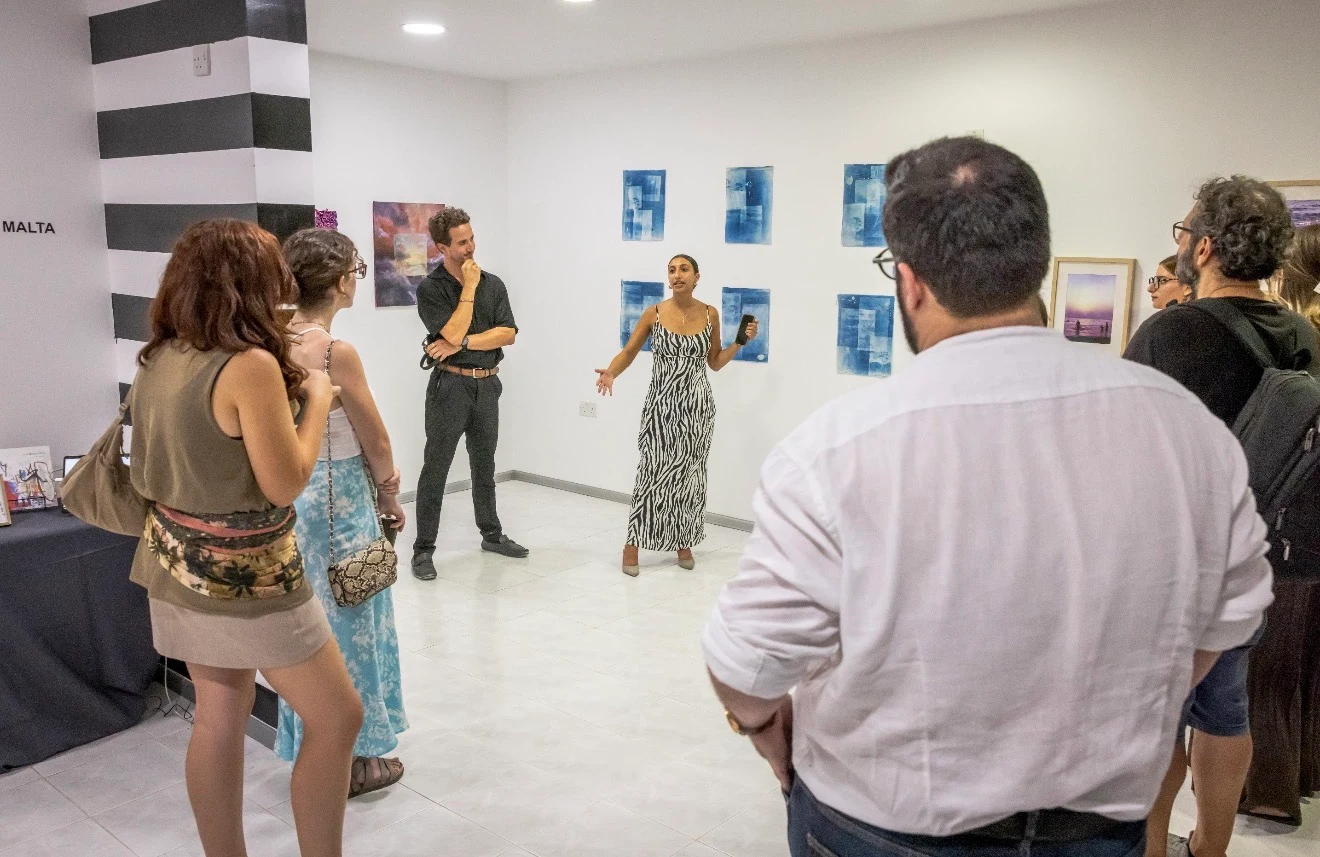
Cultural enterprise begins with creative work, but it also depends on the conditions around that work: how it is encountered, understood, supported, and cared for. A platform for art and patronage has to consider both the experience and the relationships that make it possible. The New Renaissance example below connects this question to a specific company in the Interesting Concepts portfolio.
Start with the purpose of the encounter
Art in a private collection, a hospitality setting, or a cultural initiative can serve different purposes. The first useful question is what kind of relationship the setting is meant to create between the work and the people encountering it.
That question should shape the selection, the context, and the way an initiative is introduced. A thoughtful cultural proposition explains why the work belongs in the conversation. It gives people a meaningful starting point for engagement.
A cultural brief is more than an empty wall
New Renaissance brings a different kind of company into Interesting Concepts: an art and cultural patronage platform built around relationships and considered participation. A hypothetical hospitality brief shows why the operating model matters. Selecting work for a public space raises questions about the audience, the setting, the artist’s intentions, and how the work will be encountered.
A selection also depends on practical facts: availability, dimensions, installation requirements, budget, and who can approve the commitment. A visually compelling proposal with unresolved information should remain a proposal. Presentation quality cannot substitute for permission or confirmed terms.
Let the work retain its specificity
A painting is not interchangeable with any object that fills the same space. Its material, scale, history, and artistic intention matter. A cultural business should make room for those particulars rather than reducing every decision to a visual match.
This also means knowing what is established and what needs confirmation. Attribution, availability, dimensions, condition, and the scope of an artist’s involvement should be represented carefully. An elegant presentation is stronger when the underlying information is dependable.
Build trust through clear expectations
Relationships become easier to sustain when the next step is understood. Who is considering the work? What information do they need? Which decisions have been made, and which remain open?
An early conversation should not imply commitments that have not been agreed. A proposal should make its scope understandable. The details of responsibility, timing, and care deserve attention before an initiative moves from an appealing concept into execution.
Think beyond a single moment
An exhibition or introduction can be an important beginning. The more enduring question is what happens afterward. Does the relationship have room to deepen? Can the work be understood more fully? Is there a clear route for continued conversation?
New Renaissance’s place in the Interesting Concepts portfolio reflects an interest in art, cultural initiatives, and patronage as a connected field. It is a different kind of business from a software tool, but it benefits from the same care for clarity, identity, and continued operation.
Make the infrastructure worthy of the ambition
Creative ambition and operational discipline can reinforce each other. Accurate information protects trust. Clear communication respects the people involved. Thoughtful presentation gives the work an appropriate setting.
For a studio working across technology and culture, the opportunity is to bring these disciplines into productive conversation without flattening their differences. The goal is an enterprise in which the quality of the surrounding decisions supports the quality of the creative work.
From an appealing setting to a workable brief
Imagine a hospitality team exploring an art initiative. Before selecting works, clarify the setting, who will encounter them, and what the host hopes to make possible. Is the priority a contemplative experience, a conversation with patrons, or an introduction to a particular artistic practice? These purposes can overlap, but they should not be left implicit.
The practical brief should also record access, physical constraints, responsibilities, and the decisions still required. A concept presentation can express ambition while making clear which elements are illustrative. That distinction allows enthusiasm to develop without turning an early discussion into an implied agreement.
Care continues after selection
Once works have been selected, the quality of the surrounding decisions becomes more visible. Who confirms the information used in presentation materials? Who coordinates the next steps? What needs specialist assessment? Which responsibilities belong to the host, the artist, or the advisory?
These questions should be answered in the appropriate agreement and operating plan. An essay cannot prescribe terms for every setting, but it can establish a useful discipline: do not let beautiful presentation conceal an unresolved responsibility. A clear question raised early is often a sign of care.
Evaluate more than the opening moment
After an initiative, review whether it achieved its intended purpose and whether the people involved understood the experience. Record what supported engagement and what created unnecessary friction. Avoid reducing every outcome to attendance alone; the significance of a conversation may depend on its context and subsequent relationship.
The lesson for a cultural business is to preserve what is distinctive about creative work while improving the systems around it. Thoughtful operations should make space for the work to be encountered on meaningful terms.
Care has an operating cost
The relationship continues after an introduction. Someone needs to keep descriptions accurate, coordinate questions, document agreed responsibilities, and address changes without losing the context of the work. That attention is part of the value of cultural advisory, even when it is less visible than the artwork itself.
For Interesting Concepts, this is a useful counterweight to treating every company as a volume business. Some work benefits from standardizing administration while preserving time for judgment. New Renaissance’s cultural purpose should shape what is made efficient and what deserves a slower, more personal conversation.