An artwork can be physically present while remaining difficult to encounter thoughtfully. Its placement, the surrounding conversation, and the accuracy of its description all affect the experience. New Renaissance’s place within Interesting Concepts brings these questions into the studio’s broader work: how do we create useful structures around something whose value cannot be explained by a transaction alone?
Begin with the work itself
A cultural brief should start with the artwork and the intended setting. Understand its materials, dimensions, viewing conditions, and the artist’s own description where available. Keep interpretation distinct from facts supplied by the artist or a reliable source.
A text that sounds impressive but misstates the medium or origin undermines the presentation. The same applies to images that distort color or imply a scale the physical work does not have. Accuracy is part of the care owed to both the artist and the person encountering the work.
Give the setting a role
A quiet collection space and a busy hospitality lobby create different encounters. Consider movement, sightlines, daylight, and the amount of time people are likely to spend. A strong work does not remove the need to think about its surroundings.
This is a planning exercise, not a claim that every setting needs an elaborate programme. Sometimes the right contribution is a careful placement and a short, accurate introduction. Sometimes the context supports a conversation, an artist encounter, or another form of participation.
Keep the practical record close
Availability, approved descriptions, installation responsibility, and permission to use images should not live in unrelated message threads. The people preparing a presentation need to know which information is confirmed and where an answer still needs approval.
An attractive proposal remains a proposal until its commitments are agreed. In cultural work, that distinction protects relationships as well as logistics. It helps avoid presenting an artist’s participation, a venue arrangement, or a commercial term as settled before the relevant people have consented.
Make room for a real encounter
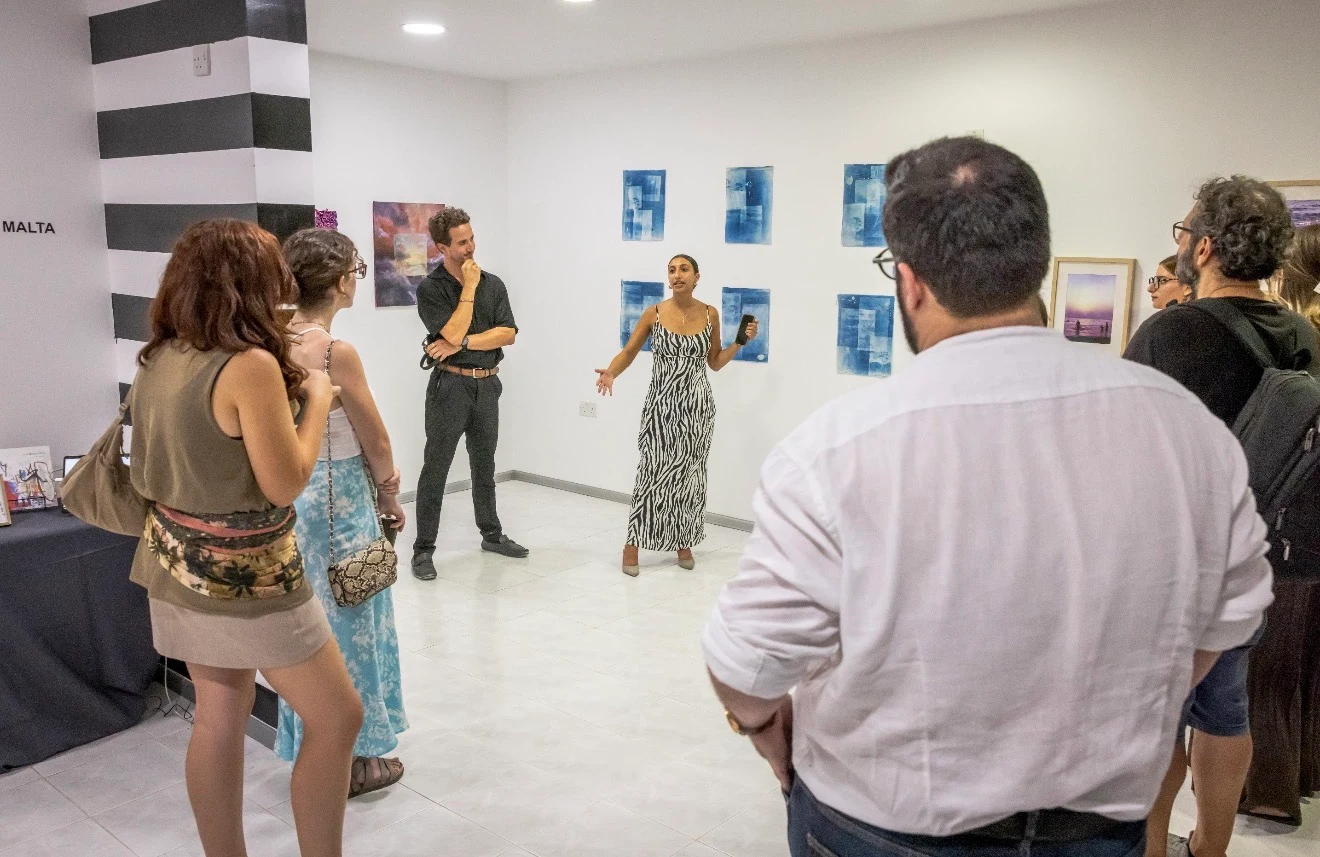
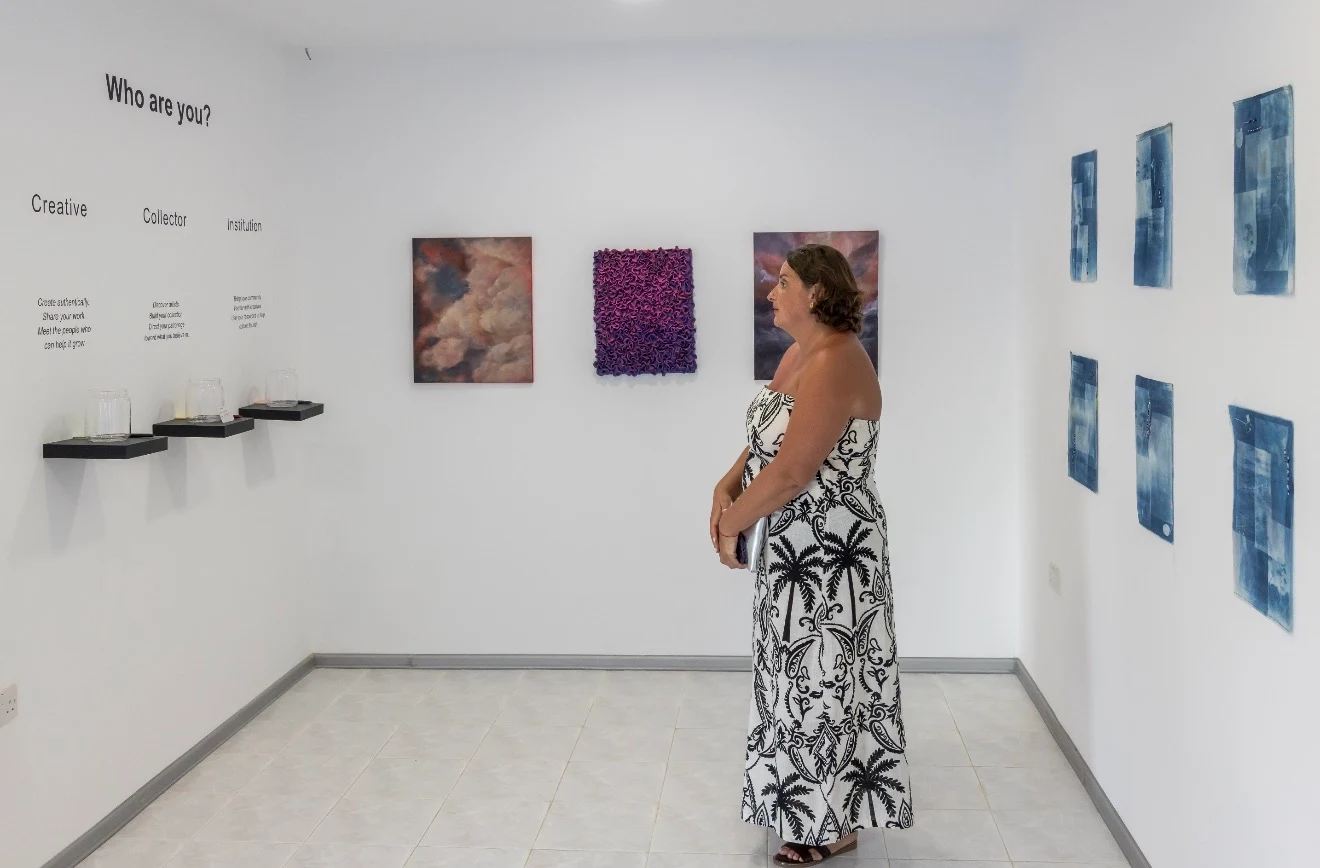
The New Renaissance Malta photographs accompanying the journal show a physical setting for looking and conversation. They give readers a concrete reference for the company’s cultural work, while the wider principles here can inform other briefs and settings.
For Interesting Concepts, the lesson reaches beyond art: the surrounding experience changes whether something is understood and used well. Cultural enterprise requires particular sensitivity to that relationship. The aim is to support attention, preserve accuracy, and make the next interaction more meaningful.